The COD Black Ops 7 dead zone issue is becoming one of the most discussed controller problems among players who notice sudden changes in input feel during matches.
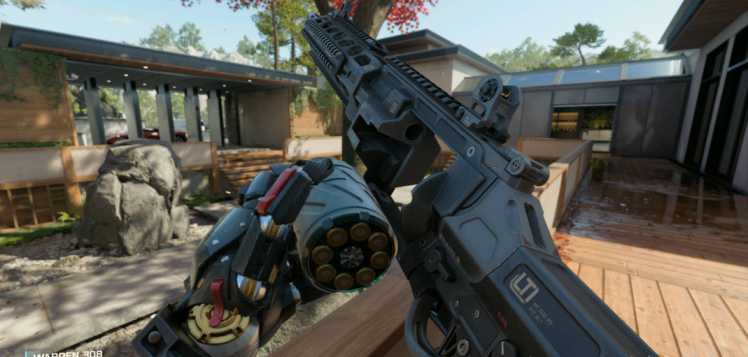
Many users report that the COD Black Ops 7 dead zone issue causes settings to silently revert to defaults even though menus still show custom values.
This creates inconsistent responsiveness, unexpected stick drift behavior, and a constant need to restart the game just to restore proper aiming sensitivity. Understanding why the COD Black Ops 7 dead zone issue occurs and how to stabilize controller settings is essential for maintaining consistent performance.
In many cases, the COD Black Ops 7 dead zone issue triggers after one or two matches, resulting in heavier aim movement, sluggish camera control, and inaccurate stick response. Because the settings menu still displays the chosen value, players often misjudge the cause.
The COD Black Ops 7 dead zone issue requires a combination of specific fixes, practical checks, and a clear understanding of how the game re-loads controller input profiles during match transitions.
COD Black Ops 7 Dead Zone Issue Causes and Fixes Overview
The COD Black Ops 7 dead zone issue benefits from a structured explanation of internal inputs, UI mismatches, controller drift responses, and engine behavior. Identifying why the COD Black Ops 7 dead zone issue happens will help players reduce resets and avoid misleading menu displays.
Reference Table: COD Black Ops 7 Dead Zone Issue Breakdown
| Category | Description |
|---|---|
| Symptom | Dead zones feel reset mid-match, but UI displays custom value |
| Trigger | Match transitions, UI reloads, map changes, preset swaps |
| Impact | Slower aim response, reduced accuracy, inconsistent drift behavior |
| Temporary Restores | Game restart, value nudge, preset toggle |
| Long-term Stability | Calibration, controller checks, avoiding overlapping software |
COD Black Ops 7 Dead Zone Issue and Internal Input Resets
The COD Black Ops 7 dead zone issue is tied to the game reloading its controller profile incorrectly after certain events.
When the engine fails to reapply the minimum input threshold, the COD Black Ops 7 dead zone issue causes sudden drift removal and heavier stick feel because the game quietly switches to default dead zone values. This mismatch between UI display and internal values creates confusion for players who rely on precise stick input.
Short match cycles, UI transitions, and animation screens appear to be the primary triggers. The COD Black Ops 7 dead zone issue becomes more noticeable for players who set low dead zones such as 5, because the difference between 5 and the internal default is large enough to impact responsiveness immediately. Multiple community reports confirm that reloading the game consistently restores the lower dead zone until it resets again.
COD Black Ops 7 Dead Zone Issue and UI Misreporting Explained
The COD Black Ops 7 dead zone issue often involves the settings UI showing a static value while the game engine applies a different one. This visual inconsistency is one of the reasons the COD Black Ops 7 dead zone issue is difficult to identify without manual testing. Players frequently believe their aim feels off without understanding that the displayed value is not the real one in use.
When the internal value resets but the UI does not update, the COD Black Ops 7 dead zone issue creates a false sense of stability. The game appears to remember the correct dead zone, yet the behavior proves otherwise. As a result, players repeatedly restart the application to force the engine to reapply the desired control profile. This inconsistency reinforces why structured fixes are necessary.
COD Black Ops 7 Dead Zone Issue Fixes for Mid-Match Changes
1. Re-apply the setting to refresh the internal profile
The COD Black Ops 7 dead zone issue can be temporarily fixed by manually refreshing the setting. Adjusting the value up or down forces the engine to reload the controller threshold. This soft reset is effective because the COD Black Ops 7 dead zone issue often stems from the engine failing to acknowledge the stored value after transitions.
2. Toggle controller presets to re-initialize inputs
The COD Black Ops 7 dead zone issue can also be corrected by toggling to another preset and returning to the original layout. This method prompts the game to rebuild its controller configuration. Because the COD Black Ops 7 dead zone issue occurs when the internal layout desynchronizes from the UI, switching presets briefly re-aligns both values.
3. Use map interaction to force recalculation
The COD Black Ops 7 dead zone issue may respond to certain forced recalculations triggered by opening and closing the map interface. Interaction with UI elements that rely on analog input can cause the game to re-evaluate the dead zone. When the COD Black Ops 7 dead zone issue affects responsiveness, this method acts as a soft internal reload without requiring a full restart.
COD Black Ops 7 Dead Zone Issue and Controller Drift Behavior
The COD Black Ops 7 dead zone issue interacts heavily with existing controller drift. Players who run extremely low dead zones experience stronger symptoms because the COD Black Ops 7 dead zone issue jumps between a lower threshold and the higher default. This contrast produces visible changes in drift and responsiveness.
For players with noticeable drift, a slightly higher minimum threshold may reduce the frequency at which the COD Black Ops 7 dead zone issue creates disruptive inconsistencies. However, the root problem remains the game’s tendency to revert settings internally even when drift is not present. Balancing the chosen value and hardware behavior can help reduce immediate frustration.
COD Black Ops 7 Dead Zone Issue Under Match Transitions
The COD Black Ops 7 dead zone issue is most common after finishing a match, loading into a new lobby, or switching game modes. Each transition forces the game to rebuild parts of the controller input profile. When this process fails, the COD Black Ops 7 dead zone issue resets internal values while the sliders remain unchanged.
The problem is amplified by rapid matchmaking. Quick back-to-back matches increase the number of times the game reloads controller data. This frequent reloading heightens the chance of the COD Black Ops 7 dead zone issue occurring. Players who restart the game after every reset essentially bypass the faulty reload mechanism, proving that the issue is tied to transitions rather than user error.
COD Black Ops 7 Dead Zone Issue and Inconsistent Responsiveness
The COD Black Ops 7 dead zone issue leads to inconsistent responsiveness that players often describe as sluggish or delayed. As the internal threshold increases, the initial part of the stick movement becomes unresponsive. This mechanical lag creates a disconnected feeling that players quickly identify. The COD Black Ops 7 dead zone issue disrupts precision, especially for players who rely on micro-adjustments during aiming.
In competitive scenarios, these inconsistencies create accuracy fluctuations that are easy to notice. The COD Black Ops 7 dead zone issue becomes particularly problematic for players who track small target movements or frequently challenge mid-range gunfights. Maintaining stable inputs is essential for consistent performance, making this issue more disruptive than most controller-related bugs.
COD Black Ops 7 Dead Zone Issue Fixes for Inconsistent Aim
1. Identify the threshold by manual movement testing
The COD Black Ops 7 dead zone issue can be diagnosed quickly by testing stick movement before and after a match. Players can slowly move the stick until the camera reacts. If the movement threshold suddenly increases, the COD Black Ops 7 dead zone issue is active. This simple test helps confirm internal resets without relying on UI indicators.
2. Use consistent controller calibration tools
The COD Black Ops 7 dead zone issue becomes easier to track when using built-in calibration tools on console or PC. These tools display raw stick input without game-specific filters. Seeing real stick movement helps confirm whether the COD Black Ops 7 dead zone issue is caused by the game or the hardware. Proper calibration also prevents unnecessary increases in the dead zone.
3. Stabilize the input environment by disabling overlaps
The COD Black Ops 7 dead zone issue can worsen when external software layers add extra input handling. Tools such as Steam Input may conflict with the game’s internal profile. Disabling them ensures that the COD Black Ops 7 dead zone issue isn’t being made worse by multiple overlapping configurations.
COD Black Ops 7 Dead Zone Issue and Long-Term Input Stability
The COD Black Ops 7 dead zone issue may require long-term stability improvements beyond restarting the game. Ensuring that the console or PC is not applying additional input layers helps reduce conflicts. The COD Black Ops 7 dead zone issue also responds well to keeping the controller firmware updated. Newer firmware often improves stick reporting accuracy, which reduces sensitivity shifts.
Players who consistently experience the COD Black Ops 7 dead zone issue should also check for hardware wear. Even though the game is primarily responsible for the resets, worn stick modules are more sensitive to threshold changes. A controlled hardware environment ensures that the COD Black Ops 7 dead zone issue is isolated to software behavior rather than user equipment.
COD Black Ops 7 Dead Zone Issue and Engine-Level Behavior
The COD Black Ops 7 dead zone issue appears connected to hidden engine-level input overrides. Some transitions may trigger fallback values during internal profile rebuilds. When the game determines that a preset is incomplete, it may assign defaults invisibly. The COD Black Ops 7 dead zone issue therefore stems from the game not finalizing the correct settings every time changes occur.
Internal systems that manage controller stability aim to prevent drift, but these systems can mistakenly activate even when drift is minimal. This conflict may explain why the COD Black Ops 7 dead zone issue is common for players who keep their dead zones very low. The fallback system may be activating incorrectly after matches.
COD Black Ops 7 Dead Zone Issue Fixes for Engine Conflicts
1. Keep the dead zone at a stable mid-low value
The COD Black Ops 7 dead zone issue can be minimized by choosing a value that avoids triggering safety fallbacks. Slightly increasing the threshold reduces the chance of internal overrides. A stable mid-low value keeps the COD Black Ops 7 dead zone issue manageable without sacrificing precision.
2. Avoid rapid configuration switching during matches
The COD Black Ops 7 dead zone issue can appear more frequently when players adjust settings during active gameplay. Avoiding mid-match configuration changes reduces the number of reload events. Fewer reloads reduce the opportunities for the COD Black Ops 7 dead zone issue to occur.
3. Restart the game after long sessions
The COD Black Ops 7 dead zone issue may accumulate across long play sessions. Restarting periodically clears buildup in the internal controller profile. A fresh session forces the game to load clean data, minimizing the COD Black Ops 7 dead zone issue’s intensity.
COD Black Ops 7 Dead Zone Issue and Competitive Impact
The COD Black Ops 7 dead zone issue affects accuracy, tracking, centering, and fine adjustments. Competitive players feel these impacts more severely because every small input determines the outcome in gunfights. The COD Black Ops 7 dead zone issue leads to irregular aim consistency that disrupts muscle memory. In environments where precision matters, even slight increases in dead zone can alter recoil control and target acquisition.
Because the COD Black Ops 7 dead zone issue does not always occur in every match, performance inconsistencies also create psychological uncertainty. Players may struggle to determine why aim changes from match to match. Eliminating the COD Black Ops 7 dead zone issue is crucial for maintaining predictable aiming performance.
COD Black Ops 7 Dead Zone Issue and Stability Across Platforms
The COD Black Ops 7 dead zone issue affects PS5, Xbox Series, and PC users. The problem appears to be platform-agnostic, indicating that it originates in game behavior rather than hardware differences. Whether using standard controllers or advanced models, the COD Black Ops 7 dead zone issue manifests similarly with UI mismatches and responsiveness changes.
Firmware updates, calibration tools, and clean input pathways reduce symptoms, but do not fully eliminate the core issue. The COD Black Ops 7 dead zone issue remains consistent across platforms because the internal reload mechanism is the primary cause.
Conclusion
The COD Black Ops 7 dead zone issue affects controller stability, aiming consistency, and responsiveness across matches. By understanding internal resets, UI mismatches, and targeted fixes, players can reduce instability and maintain better precision throughout gameplay.